A mattress topper is a responsive bedding layer placed atop a mattress to enhance comfort, support, and hygiene. Materials such as memory foam, latex, and natural fillings influence contouring, breathability, and durability. In handmade beds, toppers are selected to complement firmness levels while maintaining harmony with bedding ecosystems and organic mattress principles.
Topper design often emphasizes temperature regulation, pressure distribution, and ease of maintenance. Features like removable, washable covers, hypoallergenic encasements, and antimicrobial finishes contribute to healthier sleeping environments. For handmade beds, choosing the right thickness and density helps align spinal alignment with personal sleep posture and weight distribution.
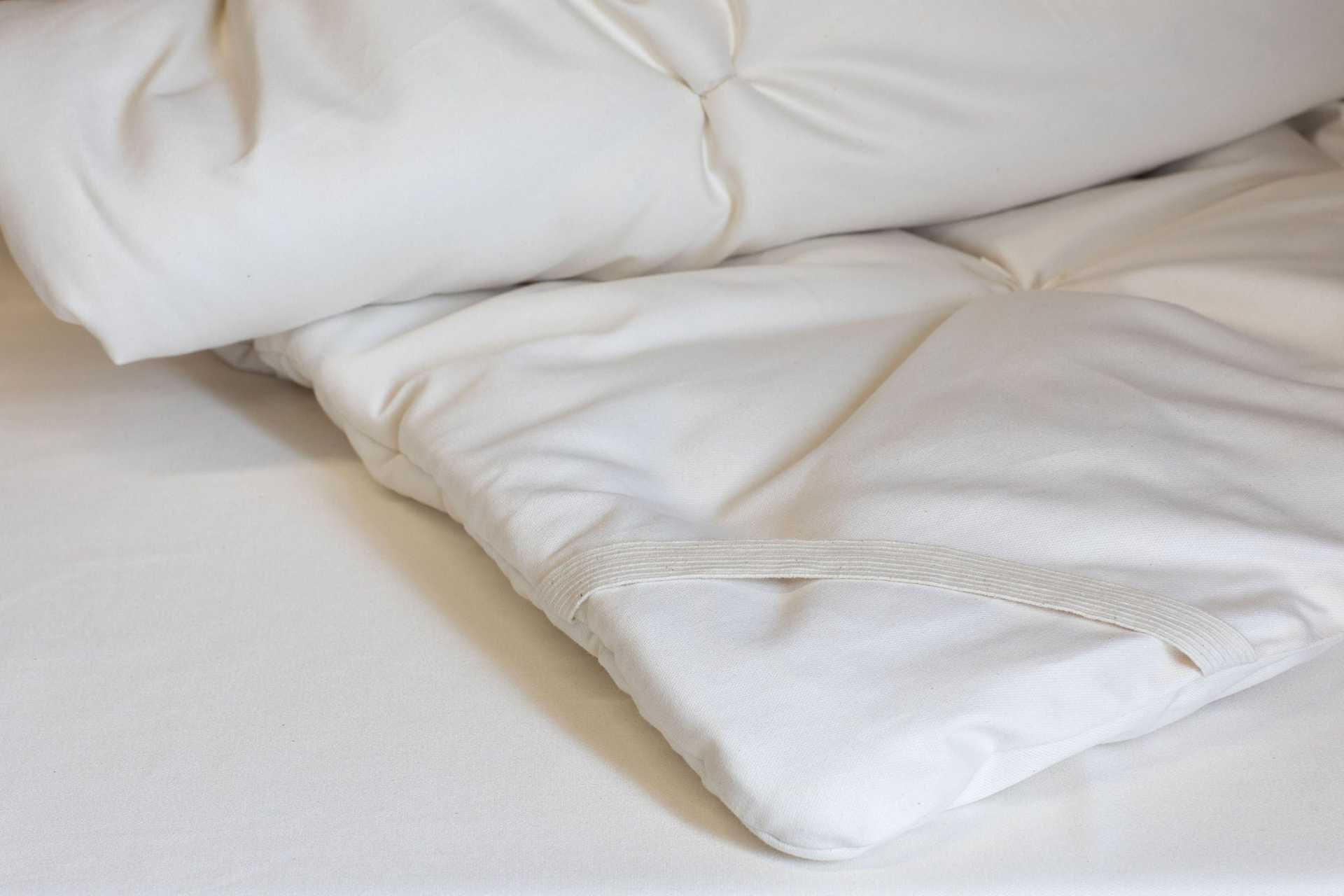
Natural Child's Crib Mattress Topper exemplifies how toppers support safety, comfort, and cleanliness for young sleepers. Key benefits include improved surface evenness, reduced motion transfer, and a gentler sleeping surface that accommodates developing joints and softer crib mattresses. Parents often prioritize breathable layers and non-toxic materials in these designs.
When evaluating toppers for organic and handmade mattresses, consider materials such as organic cotton, latex, or wool for a balance of comfort and sustainability. Breathability, washability, and certifications (e.g., GOTS, OEKO-TEX) inform durability and ecological impact. A well-chosen topper can extend mattress life while preserving natural sleep environments.
Overall, mattress toppers serve as a practical layer for customizing comfort, supporting alignment, and maintaining hygiene across diverse sleep settings. Understanding material properties, care requirements, and compatibility with existing bedding—along with attention to the natural movement of latex and other resilient fillings—enhances informed decisions in handmade beds.
 Bedding