Bed frame guide
What to Look For in a Maple Corner Woodworks Platform Frame
A platform bed may look beautifully simple, but the details beneath the mattress determine whether that clean silhouette also delivers dependable support. When assessing a Maple Corner Woodworks platform frame, look beyond the finish: ask about the base, dimensions, materials, connections, assembly and care before deciding whether it suits your bedroom and mattress.
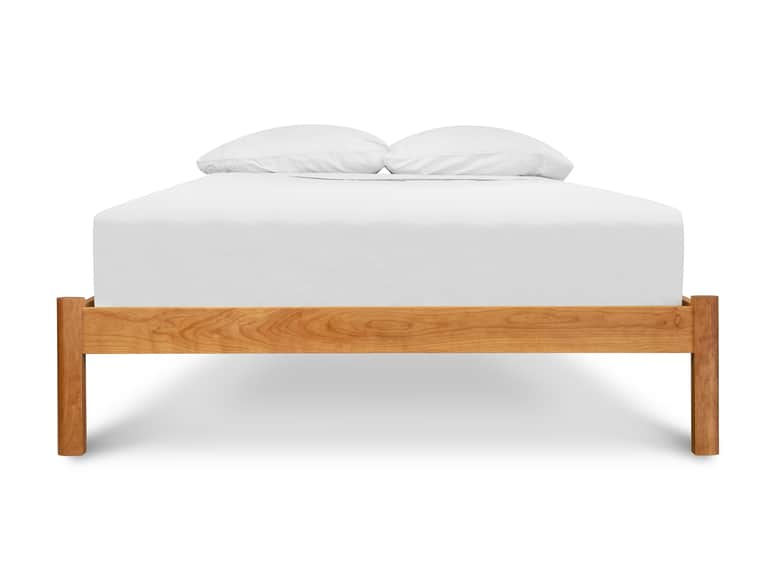
A wooden platform bed has a certain quiet confidence. It does not need a bulky foundation or an elaborate outline to make its presence felt. A low, considered frame can give a bedroom a calmer appearance while supporting the mattress on a built-in base. But an elegant profile is only part of the story. The right frame must also work with the mattress, fit the room, stay steady under everyday use and remain maintainable over time.
The name Maple Corner Woodworks suggests a maker whose frames deserve to be considered through the lens of craft. Still, a name alone does not tell a buyer what wood is used, how the platform is built or what the frame can support. Those particulars should be verified directly in the product specifications or with the maker. This guide is designed to help readers identify the questions that matter, interpret the answers and distinguish attractive styling from practical construction.
Start with the mattress, not the finish
It is tempting to begin with colour, grain and the shape of the legs. For a platform frame, however, compatibility with the mattress is the first practical check. Mattress makers may specify a particular base type, maximum spacing between slats, or other support requirements. Those recommendations can differ by mattress construction, so avoid assuming that one platform design will suit every mattress.
Ask whether the Maple Corner Woodworks frame is intended for your mattress type and size. Then compare the frame’s support details with the mattress manufacturer’s requirements. If the frame uses slats, find out how many there are, how wide they are, how they are positioned and what the gap is between them. A photograph can offer clues, but measurements and written specifications are more useful than a general description such as “sturdy slats.”
Some platform frames use a closely spaced slatted base; others use a different supporting surface. The important point is not to assume that one construction is inherently right for every sleeper or mattress. The frame and mattress should be treated as a system. When product information is incomplete, seek written clarification before placing an order, especially if a warranty or care policy depends on using a specific foundation.
Look closely at slats and the centre support
Slats carry the mattress across the width of the bed, so their spacing and support deserve close attention. A frame can look substantial from the outside while leaving important questions unanswered underneath. Ask whether the slats are fixed or removable, what they are made from, how they attach to the side rails and whether the design includes a centre rail or additional legs for larger sizes.
For a wider bed, a central support may help distribute load across the frame, but the exact arrangement varies. Do not infer the presence or adequacy of centre support from a product name or a single image. Check the specification for the bed size you are considering. If the maker publishes a recommended maximum load, ask what that figure includes and whether it applies to the frame as a whole or to a particular component.
Also ask what happens if a slat needs replacing. Can it be removed without dismantling the entire bed? Is it a standard size, or must a replacement be made to order? A clear repair route is a small but telling sign that a frame has been considered as furniture for daily life—not simply as a finished object for a showroom photograph.
Understand the wood and what “solid” means
When considering a wooden bed frame, identify the species and the parts made from it. If the description says hardwood or solid wood, ask whether that applies to all structural elements, selected visible parts or only certain components. Side rails, legs, slats and decorative details may be made differently, so a clear materials list is more informative than a broad label.
Wood is a natural material, and variation is part of its character. Grain, colour and small differences between boards can make a handcrafted frame feel individual. At the same time, “natural variation” should not be used as a substitute for a precise description of construction. Ask how the maker handles knots, colour variation or other visible features, and whether the delivered frame is likely to differ from a sample or catalogue image.
Maple Corner Woodworks’ actual timber choices should be confirmed rather than guessed from the business name. A company name is not proof that a frame is made from maple. Ask which species are available, whether the frame can be made in more than one timber, and whether different components may have visibly different grain or tone. If responsible sourcing is important to you, ask what information the maker can provide about timber origin and sourcing practices.
Joinery is where the frame earns its keep
Joinery describes the way pieces of wood or other components are connected. On a bed, the connections between the rails, legs, headboard and footboard help determine how the frame handles movement. Ask how the main joints are made and whether the structure relies on bolts, brackets, wooden joinery or a combination. The goal is not to favour one method without context, but to understand how the parts fit together and how they can be tightened or repaired.
A well-designed frame should be assembled in a way that is understandable and repeatable. Request an assembly guide before ordering if you are uncertain about the process. Check whether the required hardware is supplied, whether tools are needed, how many people the maker recommends for assembly and whether the frame can be disassembled for a move. Those details matter particularly in older homes, narrow stairwells and bedrooms with limited access.
It is also reasonable to ask what the maker recommends if the bed begins to creak or loosen. Movement can have several causes, including uneven flooring, loose connections or components that need adjustment. Clear maintenance guidance helps owners troubleshoot sensibly rather than improvising a repair that could damage the wood or hardware.
Check dimensions in the room—not just on paper
A mattress size tells only part of the story. The outside dimensions of the completed frame may be larger, and the difference can affect bedside tables, walkways and access to wardrobes. Ask for the overall length, width and height, as well as the height of the sleeping surface once the intended mattress is in place. If the frame has a headboard or footboard, include those projections in your room plan.
Measure the bedroom carefully, then consider how the bed will enter it. Doorways, staircases, landings and tight turns can be the limiting factors, not the space around the finished bed. Find out whether the frame arrives in sections and what the largest packaged components are. If delivery and assembly are offered, confirm what those services include instead of assuming that delivery means installation in the room.
Room layout deserves the same thoughtful attention. A platform frame with a low profile may help a small room feel visually open, while a taller design can provide easier access beneath the bed. Neither is automatically better. Consider how you get in and out of bed, whether you want storage underneath and whether the mattress height feels comfortable for the people who will use it.
Make the finish part of the conversation
A finish influences the frame’s appearance, feel and care routine. Ask what finish is used, whether it is applied to all sides and whether the maker offers different options. Terms such as oil, wax, stain or clear coat describe different approaches, but the exact product and maintenance instructions matter more than the label alone.
Request care advice in writing. Find out how to remove everyday dust, what to do about a spill and whether the finish needs periodic attention. Avoid assuming that a finish is waterproof, scratch-proof or maintenance-free unless the maker explicitly says so. A wood frame is furniture that lives in a room: sunlight, humidity, cleaning products and ordinary contact may affect its appearance over time.
If you are choosing a custom colour or finish, ask whether a sample is available and how closely it represents the completed piece. A small sample viewed in your own bedroom can be more revealing than a digital image. Natural and artificial light can shift how a wood tone appears, and nearby flooring or furniture may change the impression again.
Ask about made-to-order details and lead times
Some wooden frames are produced in standard sizes; others may be made or adjusted to order. Confirm which dimensions are fixed and which, if any, can be customised. A request for a different width or length can affect the support structure, price and production schedule, so it is worth discussing before committing.
Clarify the expected lead time, how it is calculated and how you will be updated if it changes. Ask what happens if you need to alter or cancel an order after production begins. These are practical questions, not signs of distrust. For made-to-order furniture, written confirmation helps both customer and maker share the same understanding of the specification.
Before ordering, review the warranty or guarantee terms, including what is covered, how long coverage lasts and what the owner must do to make a claim. Ask how the maker handles a damaged component or a manufacturing fault. A transparent explanation of aftercare can be as valuable as a polished product description, particularly for furniture intended to stay in use for years.
Think about repairability and long-term ownership
A frame is not only a purchase-day decision. It is a piece of bedroom furniture that will be assembled, moved, cleaned and used repeatedly. Ask whether individual parts can be repaired or replaced and whether the maker keeps specifications that would help reproduce a component later. If the design uses special hardware, ask whether replacement parts are available and how owners can identify them.
Repairability does not mean expecting a bed never to need attention. Wood responds to changes in its environment, and fixings may benefit from a check as time passes. What matters is whether the construction and instructions allow routine maintenance to be carried out safely. A frame that can be sensibly tightened or repaired may be easier to keep in service than one whose components are difficult to access.
For a household that may move, consider how the design comes apart and whether it can be reassembled without compromising its connections. Keep the instruction sheet and any spare hardware in a labelled place. Those simple habits can make later maintenance easier and prevent a small missing fitting from becoming a much larger inconvenience.
A practical checklist for comparing frames
When reviewing a Maple Corner Woodworks platform frame, bring the questions below to the product page or a conversation with the maker. Clear answers make it easier to compare designs on more than looks alone.
- Which mattress types and sizes is the frame designed to support?
- What are the slat dimensions and spacing, and do they meet the mattress maker’s requirements?
- Does the frame include a centre rail or additional support for the size being ordered?
- Which wood species are used for the rails, legs, slats and other major components?
- How are the main joints constructed, and what hardware is supplied?
- What are the full external dimensions and the recommended mattress height?
- How is the finish applied, and what care does it require?
- Can parts be replaced, and what is the process for resolving a fault?
- How is the frame packaged, delivered, assembled and disassembled?
- What are the current production times, warranty terms and order-change conditions?
A good choice feels right in more than one way
The appeal of a handmade wooden bed often lies in the balance between material and restraint: the grain has room to be noticed, while the structure does its job without demanding attention. For a Maple Corner Woodworks platform frame, that balance is worth judging from both sides. Look at the proportions and finish, but also ask how the platform supports your mattress, how its components connect and what help is available if a part needs care.
There is no single specification that suits every bedroom. The ideal frame depends on mattress guidance, room measurements, preferred height, access for delivery and the maintenance you are prepared to undertake. A maker who can explain those details plainly makes it easier to decide whether the design is a considered fit for your home.
In the end, a platform frame should feel uncomplicated for the right reasons. Its structure should be clearly described, its dimensions should work in the room, and its care requirements should be realistic for everyday life. Ask specific questions, compare the answers with your mattress manufacturer’s guidance, and let the evidence beneath the finish shape your decision.